
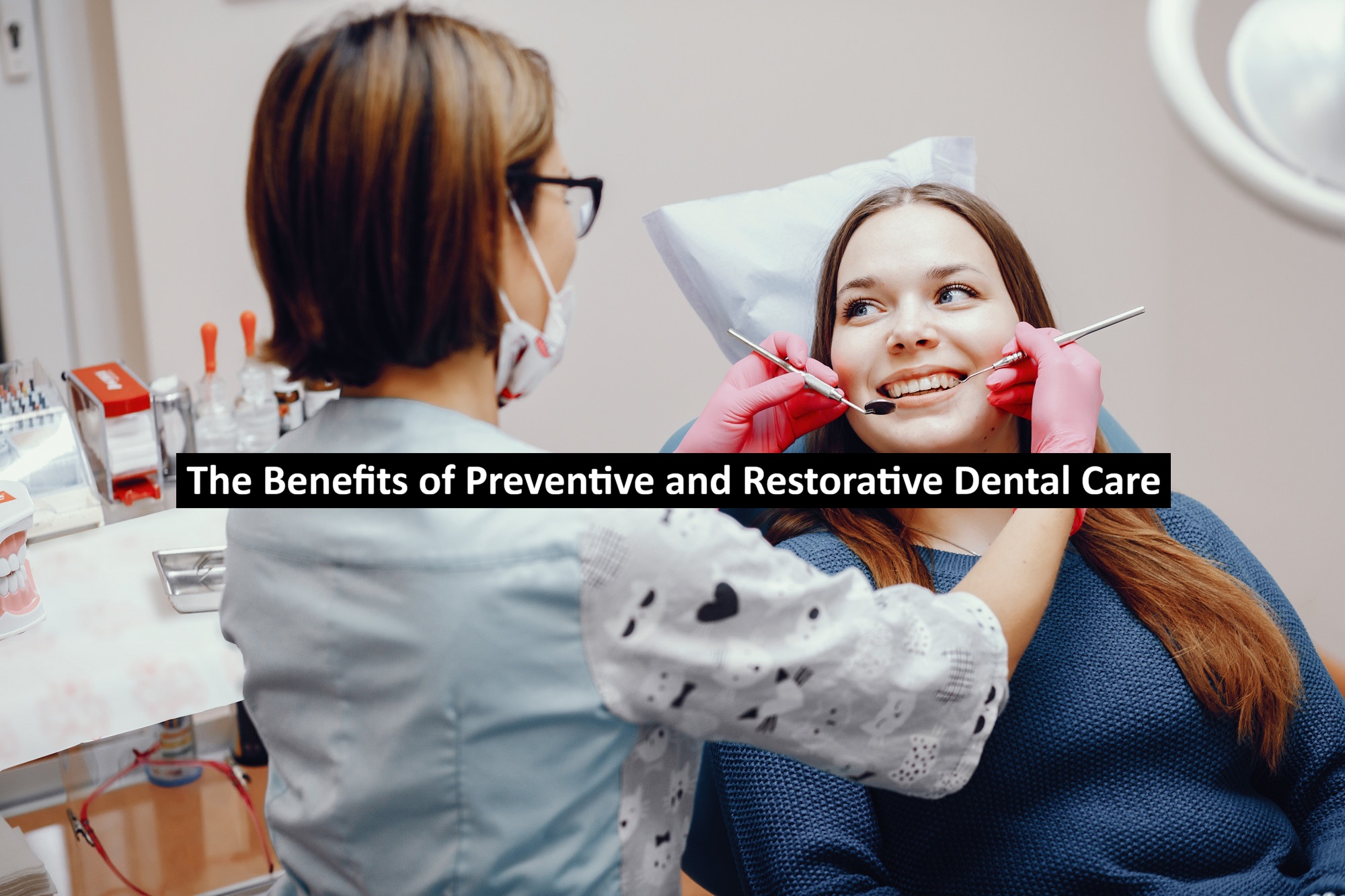
Good mouth care matters for general health; still it usually gets attention only once something goes wrong. Most folks show up at the clinic after pain starts, though steady upkeep works much better than waiting. Stopping issues before they start – along with fixing damage early – keeps teeth working right and looking good. A mix of routine checkups plus timely repairs supports long term comfort and confidence in daily living.
Understanding Preventive Dental Services
The whole point of preventive dentistry is to stop tooth troubles before they even start. Problems often reveal themselves during regular visits before any significant pain begins.
Most issues inside the mouth stay quiet at first. Spotting those early means less trouble later. A quick visit might reveal what feels fine but isn’t. Tiny instruments help look where fingers can’t reach. Hidden spots beneath the surface show up clearly through imaging. What seems normal could be changing slowly underneath. Early signs often appear without pain or warning. Spotting concerns fast means fixes stay simple instead of growing tough later.
Twice a year, someone might visit the dentist just to stay ahead. Brushing every day does help, yet gunk still hides where tools cannot reach easily. A specialist scrapes it away before trouble starts beneath the gums. Bright smiles often come from those routine visits, not fancy products. Tooth troubles fade when cleaned on schedule.
Starting off strong, fluoride helps harden the outer layer of teeth so they handle acid better. Kids often gain a lot from these treatments, though grown ups see gains too. On that note, thin coverings called sealants guard back teeth by blocking food and germs from settling into tight spots where brushing misses.
Read: Clinic Management Software for Efficient Claim Handling in Healthcare
The Role of Preventive Health Measures
Stopping tooth trouble before it starts does more than dodge holes in teeth. Money stays in your pocket because major repairs cost a lot. Spotting small signs early means simpler fixes happen fast. Fewer big jobs show up down the road when checkups stay on track.
Better health often follows when people take steps before problems start. Scientists have found mouth health ties directly to issues like heart trouble, blood sugar control, breathing illnesses. Infections in the gums connect strongly to body-wide medical concerns. When someone keeps teeth clean and sees a dentist on time, chances drop for serious related sicknesses.
Restorative Dental Services Explained?
Fixing what is already broken – that’s where restorative dentistry steps in, long after prevention has had its chance. Instead of stopping issues ahead of time, it rebuilds teeth that are harmed or gone. Function returns, so does shape, along with how things look when someone grins. Smiles come back stronger, even if they started out weakened.
Filling a tooth often comes first when decay strikes. Crowns step in once damage runs deeper. Bridges replace missing teeth by anchoring to neighbors. Dentures offer a removable path for widespread loss. Implants stand strong as permanent substitutes rooted in bone. Every option tackles distinct problems while bringing back how the mouth works.
Fixing a damaged tooth often means removing rotten parts first. After that, the spot gets packed with strong stuff like white filling mix or metal blend. A visit to the dentist can stop more harm from happening later. The work brings back how hard the tooth can bite again.
A cap goes on top of a tooth that is broken or weak. To keep what is left safe, it acts like armor while fixing how the tooth looks and fits. When a root canal happens – or if harm runs deep – this fix becomes common. Shape returns. Strength comes back. The smile hides nothing.
Built to fill gaps, bridges rely on nearby teeth for support. Instead of staying put, dentures can be taken out whenever needed. One holds false teeth firmly; the other offers flexibility when it comes to fit. Chewing gets easier either way. Faces keep their shape because nothing sinks or shifts.
Today’s top fix for missing teeth? Dental implants. Into the jaw goes a titanium post – this stands in for your natural root. On it sits a crown, making the new tooth both sturdy and real in look.
Benefits of Restorative Dental Services
Fixing broken or missing teeth brings clear improvements. What stands out most? Being able to chew food properly again. Talking without discomfort also returns once treatment takes effect. Without whole teeth, daily life gets awkward fast. Once repairs are done, those basic actions come back naturally.
Looking better matters too. When teeth are chipped, stained, or gone, it sometimes weighs on how someone sees themselves. Fixing these issues changes the way a smile looks – suddenly grins come easier, whether at work or out with others. Confidence grows when people aren’t thinking about hiding their mouth.
Missing one tooth might make others move around. A crown sits on top, keeping things strong underneath. Fillings step in before small problems grow larger.
Fixing broken teeth or swapping out missing ones does more than just fix a smile. When gaps get filled, everything stays where it should – teeth line up right, bites stay even. Misalignment slips away because pressure spreads evenly across the mouth. Jaw tension drops when nothing has to work too hard. Over time, that balance keeps trouble at bay.
The Link between Preventive Care and Dental Repair
Stopping problems before they start ties tightly to fixing them once they happen both help keep teeth healthy. When checkups catch trouble early fewer cavities take hold because prevention lowers risk across the board. Repair steps step in only after damage shows up since fillings or crowns handle existing decay. Each part plays a role yet one avoids harm while the other mends it. Healthy mouths often come from mixing both approaches without leaning too hard on either.
Take routine dental visits. They can catch tiny holes in teeth before they worsen. A minor fix might do the job if found on time. Miss those appointments, though, and the damage spreads. Bigger problems often follow – like caps or nerve treatments later.
Healthy teeth come easier when checkups pair with fixes, depending on what a person requires. Each plan fits one individual, shaped by a dentist who blends prevention and repair work together.
Maintaining Oral Health at Home
Most people know dentists play a key role, yet what happens between visits matters just as much. Brushing each morning, rinsing after meals – small actions pile up quietly over time. These routines soften the edge of cavities, ease pressure on gums. When done consistently, they echo what professionals do during cleanings or repairs. Care at home does not replace clinics; instead it runs alongside them, day by day.
Every morning and night, scrubbing your teeth using fluoride paste knocks out gunk and tiny invaders. Between each tooth, sliding floss through sneaks into hidden spots bristles miss entirely. Swishing liquid that fights germs gives extra backup against troublemakers lurking in corners.
Conclusion
Fresh checkups beat waiting for ache. Guarding teeth early? That builds tougher smiles than chasing cures after damage hits. Fixes like fillings or crowns bring back how things work after harm shows up. One step prevents trouble, another puts pieces back together again. Healthier grins emerge where both types show up hand in hand. Confidence grows once bites feel right and speaking feels smooth. Body wellness links closely to what happens inside the mouth each day.
Strong teeth last longer when people see a dentist often while brushing daily. Because they take small steps early, many avoid bigger issues down the road. When gums stay clean, smiles look better plus confidence grows without effort. Fixing problems fast keeps eating comfortable even as years pass by. Healthy mouths help bodies feel stronger in ways some overlook at first. Care that feels minor today prevents pain most would rather skip entirely.
Author’s Bio:
Albert Smith is a qualified content writer with experience in writing on a variety of subjects. He has written a lot of Content on Dental Implants, Invisalign and dental services Philadelphia.